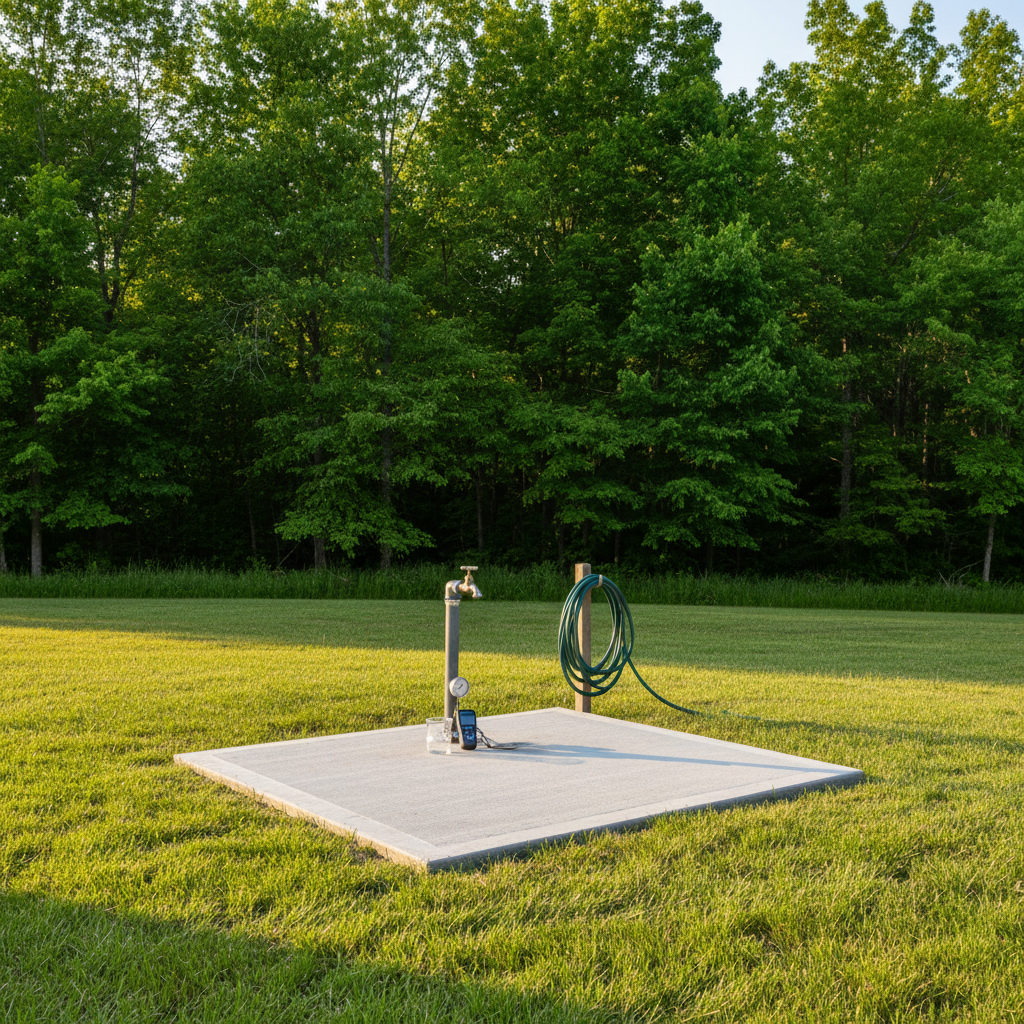
So, you've had your well water tested. Maybe you just moved in, or perhaps you noticed a funny taste – good for you for being proactive! But getting those results back? Sometimes it feels like trying to read a foreign language. What do all those numbers actually mean? And, more importantly, what should you do with them to keep your water safe and your well system humming along?
Think of your water test results as a report card for your well. It gives you the lowdown on what's happening underground. Knowing how to read it helps you protect your family's health, sure, but it also extends the life of your entire water system. It's not just about passing or failing, you know? It's about understanding the little details.
Making Your Well System Last Longer Through Smart Testing
The best way to get more years out of your well system isn't just waiting for things to break and then fixing them. Nope, it's about getting ahead of problems. And regular water testing is a huge part of that. When we talk about 'extending the life of the work,' we're really talking about the health of the well itself, plus all the bits and pieces that bring water right to your tap.
Let's say your tests keep showing high levels of iron or manganese. That's not just a weird taste. Those minerals can build up in your pipes, on your faucets, and even inside your well pump. Over time, all that gunk can cut down your water pressure, clog filters, and even wear out your pump way too soon. Catching this early means you can install a treatment system – like an iron filter – before you're staring down expensive repairs or having to replace things. Same goes for acidity. If your pH is always low, that acidic water can slowly eat away at your plumbing, leading to leaks and costly pipe replacements down the road. A neutralizer system? It can stop that slow, silent damage before it starts.
Here in Heflin, especially in older homes in places like the Cane Creek community, you might still have galvanized pipes. Acidic water mixed with those pipes can be a real pain, not just for your plumbing but possibly for your health too, since it can leach metals into your drinking water. Regular testing helps you spot these issues before they become huge headaches.
What Does Regular Water Quality Maintenance Really Look Like?
Keeping your water quality up isn't just about testing; it's about actually doing something with those results. Here's what I usually tell folks:
- Basic Annual Testing: At the very least, test your well water once a year. Check for coliform bacteria, nitrates, pH, and general hardness. These are good indicators for overall water safety and any potential stress on your system.
- Targeted Testing: If that annual test shows something's off, or if you notice your water tastes, smells, or looks different, then you'll want to dig deeper with more specific tests. For example, if you live near farmland, you might want to test for pesticides or herbicides. Seeing reddish-brown stains? Check for iron.
- System Checks: While you're thinking about water quality, take a moment to look at your wellhead. Is the cap secure? Are there any cracks? Is anything growing too close to it? A wellhead that's sealed up tight keeps contaminants out of your well.
- Filter Maintenance: If you have any water treatment systems – maybe a sediment filter, a water softener, or a UV light – make sure you're following the manufacturer's directions for changing filters or getting the unit serviced. These systems only work if you keep them maintained, right?
Alabama's climate, with all its heavy rainfall and humid summers, can really affect well water. Big rains can sometimes push surface contaminants into shallow wells or even cause septic systems to overflow. That's why bacterial testing is so important, especially after a major storm.
Signs Your Water Is Trying to Tell You Something
Your well water usually gives you hints when something isn't quite right. Don't ignore these signals:
- Changes in Taste or Odor: A metallic taste could mean high iron or copper. That "rotten egg" smell? That's hydrogen sulfide. A musty or earthy smell might point to bacteria or organic matter.
- Changes in Appearance: Cloudy water, sediment at the bottom of your glass, or any discoloration (like rusty or greenish tints) are all big red flags.
- Stains on Fixtures or Laundry: Orange or brown stains usually mean iron. Blue-green stains often indicate copper corrosion from acidic water.
- Sickness: If family members are getting unexplained stomach issues, especially after drinking water, get your water tested for bacteria right away.
- Reduced Water Pressure: This can be a pump problem, sure, but mineral buildup in pipes can also restrict the flow.
When Should You Call Mighty Well Drilling?
Look, you don't have to be a water expert. That's why we're here. You should definitely give Mighty Well Drilling a call if any of these sound familiar:
- Your test results are confusing: You got that lab report back and you're just scratching your head. We can help you figure out what those numbers mean for your specific situation and suggest what to do next.
- You're seeing any of those warning signs: Don't wait for a small problem to turn into a big, expensive one. If your water looks, smells, or tastes off, we can help diagnose the cause.
- You're thinking about a new water treatment system: There are tons of options out there. We can help you pick the right system based on your water test results and your family's needs, and then we can handle the installation.
- You've had a natural disaster: After a flood or a major storm, your well could be compromised. It's always a good idea to test your water for bacteria.
- You're buying or selling a home: A thorough water test is a really important part of checking out any property that gets its water from a well.
Your well is a big investment and, let's face it, your source of fresh water. Taking the time to understand your water quality and keeping up with regular maintenance will really pay off – you'll have healthy water and a system that lasts. Don't hesitate to reach out if you have questions or need help interpreting your water test results.