Your well is probably the hardest working thing on your property that you don't think about every single day. Until it stops working, that is. I've seen it countless times here in Heflin – folks call me up when the water pressure drops to a trickle or, worse, there's no water at all. Most of those emergencies? They could have been avoided with a little regular attention. So, let's talk about keeping your well healthy.
Why Regular Well Maintenance Isn't Just a Good Idea, It's Essential
Think about your car for a second. You don't just drive it until it breaks down, right? You get oil changes, tire rotations, and check the fluids. Your well is exactly the same. It's a complex system, and ignoring it means you're just waiting for a problem to pop up. And when it does, it's usually more expensive and a bigger headache than if you'd just kept up with things.
Here in Calhoun County, especially around places like the rolling hills west of town or out towards the Talladega National Forest, we've got some unique soil conditions. Lots of clay, some rocky areas – and that can really impact your well over time. Sediment can build up, pumps can work harder, and before you know it, you've got issues. Regular check-ups help catch these things early, often before they become major headaches.
What You Can Do Yourself (And What to Leave to the Pros)
You don't need to be a well expert to do some basic maintenance. A lot of it is just common sense and paying attention, honestly.
Listen to Your Pump: Does it sound different? Is it running constantly? Is it cycling on and off too frequently? These are all signs something might be off. A healthy pump usually kicks on, runs for a bit, and then shuts off. If it's short-cycling, you might have a pressure tank issue or a leak somewhere in the system.
Check Your Pressure Tank: This big blue (or sometimes green) tank is crucial. It stores water and keeps pressure in your system. Give it a gentle tap. If it sounds full of water all the way to the top, it might be waterlogged, which means your pump is working overtime. You can also check the air pressure on the top valve – it should be set a couple of PSI below your pump's cut-in pressure. This is something you can usually check yourself with a tire gauge, but if you're not sure, just give us a call.
Look for Leaks: Walk around your property, especially near the wellhead and any outdoor spigots. A small leak might not seem like a big deal, but it can make your pump run more often, wasting energy and wearing it out faster. Nobody wants that.
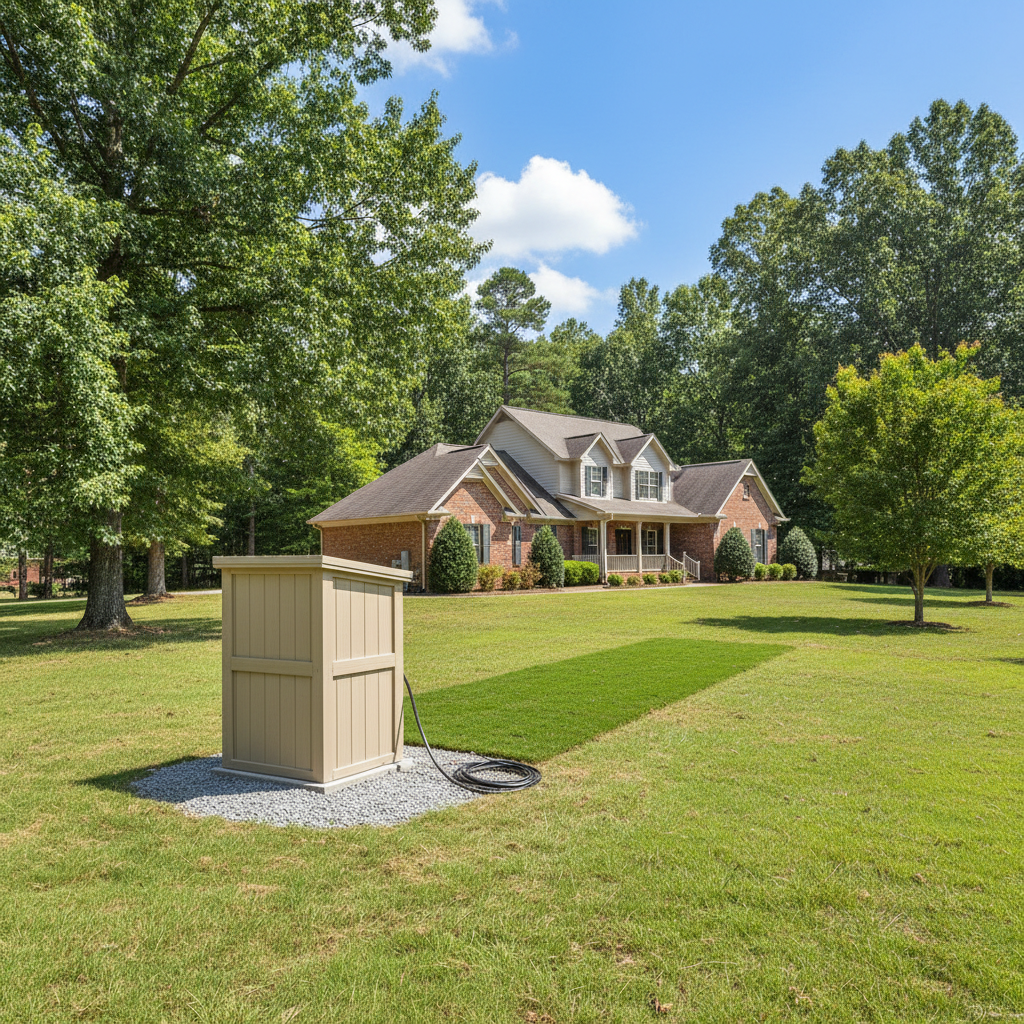
Keep the Well Area Clear: Don't stack firewood, plant shrubs, or build anything right on top of or too close to your wellhead. You need easy access for maintenance and repairs. Plus, you definitely don't want roots growing into your well casing.
Pay Attention to Your Water Quality: Any changes in taste, odor, or color? That's a red flag. If your water suddenly looks cloudy after a heavy rain, that could indicate a problem with your well seal or casing, especially if you're in one of those areas with a higher water table after a good downpour.
Now, what should you leave to the pros? Anything that involves opening up the well, pulling the pump, or dealing with electrical connections. That's where Mighty Well Drilling comes in. We've got the specialized tools and the know-how to do it safely and correctly. We can inspect your well casing, check your pump's performance, test your water, and make sure everything is up to snuff.
The Local Advantage: Why Your Heflin Well Needs Local Expertise
You might think a well is a well, no matter where you are. But that's just not true, especially around here. We deal with specific geological formations, seasonal weather patterns that can impact groundwater levels, and even local regulations. A company from out of state or even across the state just won't have the same understanding of what your well needs.
We know the typical well depths in different parts of Heflin, we know what kind of rock we're likely to hit, and we understand the common issues that pop up in our area. That local knowledge means we can diagnose problems faster, recommend the right solutions, and get your water flowing again without a lot of guesswork. It saves you time, money, and a whole lot of frustration.
So, don't wait for a crisis. A little proactive maintenance goes a long way in keeping your well system reliable for years to come. If you've got questions or need a professional check-up, you know who to call.